For over long years, we have diligently conducted independent research and product testing. When you make a purchase through our links, we may earn a commission.
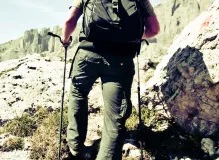
🏔️ Conquer the great outdoors with these epic mountain trekking tips! 🥾

Created: 2 months ago
13 min Read
🏔️ Conquer the great outdoors with these epic mountain trekking tips! 🥾
Ready to conquer the great outdoors? 🏔️ These epic mountain trekking tips 🥾 will help you prepare for your next adventure! From packing essentials to navigating the trail, we've got you covered. Get inspired and get exploring today!
Plan Ahead: Essential Pre-Trek Preparations 🧭
Going on a trek can be a life-changing experience, but it is essential to plan ahead to make the most of it. Whether you are a seasoned trekker or a newbie, there are a few preparations you should make before embarking on your adventure.
Firstly, research the location and route you will be taking. Look up the weather conditions and seasons and then dress appropriately. Investing in good quality gear is vital, especially a sturdy pair of trekking shoes.
Secondly, make sure you are in good physical shape. The trek can be rigorous, and you don't want to overexert yourself. Prepare yourself by doing exercises and cardio to build up stamina.
Thirdly, pack smartly by making a list of essential items and non-essential but handy items. The list should also contain food items and water. Carrying a hydration pack is an excellent idea to stay hydrated while trekking.
Fourthly, know the do's and don'ts of trekking. Leave no trace and respect the environment you are in. Learn about the local cultures and customs, and follow them.
Lastly, make sure you have the right travel insurance, and inform someone about your plans, in case of an emergency.
By following these essential pre-trek preparations, it will not only ease your journey but also make your trekking experience unforgettable.
Happy Trekking 🏞️!
Gear up for success: What to pack for your mountain trek 🎒
When it comes to embarking on a mountain trek, packing smart is essential to ensuring a successful journey. You want to be prepared for any kind of weather or situation that may arise. Here's a comparison chart of essential items you should bring along:
| Item | Must-have | Nice-to-have |
|---|---|---|
| Backpack | ✔️ | |
| Water bottles | ✔️ | |
| Proper hiking boots | ✔️ | |
| Layered clothing | ✔️ | |
| First-aid kit | ✔️ | |
| Portable charger | ✔️ | |
| Trekking poles | ✔️ |
In addition to these items, make sure you also pack a map and compass, extra snacks, sunscreen, and a hat. It's also important to research the trail you'll be taking beforehand, so you can pack accordingly.
Here are some helpful reference links to check out:
- Hiking For Beginners: The Ultimate Checklist for Your First Trip: https://www.rei.com/learn/expert-advice/backpacking-checklist.html
- How to Choose the Right Hiking Boots: https://www.outdoorgearlab.com/topics/shoes-and-boots/best-hiking-boots
- How To Layer Clothing For Each Season: https://www.rei.com/learn/expert-advice/layering-basics.html
Remember, choosing the right gear can make all the difference in having a memorable and safe experience on your mountain trek. Happy trails! 🏔️
Stay Safe on the Trails: Tips for Avoiding Hazards and Injuries 🚫
If you're an avid hiker or trail runner, you know that the great outdoors can sometimes present unexpected hazards. To ensure your outdoor adventures don't take a turn for the dangerous, it's important to take certain precautions. Here are some tips to help keep you safe on the trails:
Choose Trails that Match Your Skill Level 🚶♀️🚶♂️
One of the most common causes of injuries on hiking trails is overestimating one's abilities and attempting trails that are too challenging. To avoid this, research the difficulty and length of the trails you plan to hike or run. Be honest with yourself about your capabilities and choose routes that match your skill level.
Check the Weather Forecast ☀️🌧️
Changes in weather can also create hazards on the trails. For example, hiking on wet or icy trails requires different equipment and skills than hiking on dry, firm terrain. Check the weather forecast before heading out and be prepared for any conditions you might encounter.
Wear Appropriate Footwear 👟🥾
Your footwear can make a significant impact on your safety on the trails. Wearing inappropriate shoes can lead to slips, trips, and falls. Choose hiking shoes or boots with good traction and ankle support to reduce your risk of injury.
Stay Hydrated 💧
Dehydration can cause dizziness, fatigue, and other symptoms that can increase your likelihood of injuries. Make sure to pack enough water and electrolytes to help keep you hydrated for the duration of your hike or run.
Be Aware of Your Surroundings 👀
Keep an eye out for any potential hazards on the trails, such as steep drops, loose rocks, or wildlife. Watch your footing and be cautious when crossing streams or climbing steep inclines.
By following these safety tips, you can help ensure that your time on the trails is both enjoyable and injury-free. For more information on trail safety, check out these resources:
- National Park Service Hiking Safety Tips
- [American Hiking Society Trail Safety Tips
Fuel Your Body Right: Nutrition Tips for High-Altitude Hiking 🍎
Are you planning a high-altitude hiking adventure? Don’t forget to fuel your body with the right nutrition! When hiking at higher elevations, your body requires more energy to adapt to the lower oxygen levels. Follow these tips to ensure you have the energy and stamina you need to conquer the mountain:
Hydrate, Hydrate, Hydrate 💧
Staying hydrated is crucial for high-altitude hiking. In the mountains, the air is dry and you lose more water through sweat and respiration. Make sure to drink plenty of fluids and pack a water filter or iodine tablets to purify water from natural sources.
Carbohydrates Are Your Friend 🍞
Carbohydrates are essential for fueling your muscles during aerobic exercise. Pack carbohydrate-rich snacks like trail mix, granola bars, and energy gels to keep your energy levels high.
Don’t Forget About Protein 🥩
Protein is necessary for building and repairing muscle tissue. Pack protein-rich snacks like beef jerky or nuts to help your body recover after strenuous hikes.
Electrolytes for Balance ⚡️
Electrolytes are important for maintaining proper fluid balance in the body. Pack snacks rich in electrolytes, like bananas or sports drinks, to help prevent muscle cramping and fatigue.
Comparison Table: Snack Options 🍪
| Snack | Carbohydrates (g) | Protein (g) | Electrolytes (mg) |
|---|---|---|---|
| Trail Mix | 27 | 7 | 150 |
| Granola Bar | 20 | 3 | 90 |
| Beef Jerky | 3 | 13 | 326 |
| Nuts | 6 | 7 | 200 |
Additional Resources
Protect Yourself from the Elements: Clothing and Sun Safety Tips ☀️
As the saying goes, "prevention is better than cure." This adage is especially true when it comes to protecting yourself from the elements. Whether you're planning a day at the beach or going for a hike in the mountains, it's important to take steps to safeguard your skin and protect yourself from harmful UV rays.
One of the most effective ways to protect yourself from the sun is by wearing protective clothing. Lightweight, long-sleeved shirts and pants are excellent choices, as they provide a physical barrier between your skin and the sun's rays. If you're planning to be outside for an extended period, consider investing in clothing made from UV-blocking materials.
In addition to clothing, you can also take steps to protect yourself from the sun by using sunscreen. Look for a broad-spectrum sunscreen with an SPF of at least 30, and be sure to apply it generously and frequently. Don't forget to cover all exposed areas of skin, including your face, ears, and neck.
When it comes to sun safety, hats are also an important accessory. A wide-brimmed hat can help to shield your face and neck from the sun's rays, while a baseball cap can provide some protection for your face and scalp.
By taking simple steps like wearing protective clothing, using sunscreen, and wearing a hat, you can protect yourself from the sun's harmful rays. So, the next time you're planning a day outdoors, make sure you're prepared and take the necessary precautions to keep yourself safe and protected.
For more information on sun safety and protective clothing, check out these resources:
- American Cancer Society: Sun Safety
- Skin Cancer Foundation: Clothes That Protect You from the Sun
- CDC: Sun Safety Tips
Pace Yourself: Strategies for Conserving Energy and Avoiding Burnout 🏃♂️
Are you feeling overworked and exhausted? It's important to pace yourself to avoid burning out. One effective strategy is to prioritize tasks and set achievable goals. By breaking down large projects into smaller, more manageable tasks, you can avoid feeling overwhelmed and conserve your energy for the most important aspects of the project.
Another helpful strategy is to take breaks throughout your workday. Getting up to stretch, take a walk, or even just stepping away from your computer screen for a few minutes can help prevent burnout. Additionally, make sure you're taking care of yourself outside of work. Eating a healthy diet, getting enough sleep, and staying active can all contribute to a more balanced and sustainable lifestyle.
It's also important to recognize when you're starting to feel burned out and to take action to prevent further exhaustion. This may mean seeking support from colleagues or supervisors, or simply scaling back your workload to allow for more rest and recovery time.
By implementing these strategies and taking a proactive approach to conserving your energy, you can avoid burnout and achieve greater success and satisfaction in both your personal and professional life. Don't forget to pace yourself, and always prioritize your well-being and self-care. 🙌
Tackle Challenging Terrain: Techniques for Uphill and Downhill Trekking ⛰️
Trekking on hilly terrain can be a daunting task, but it's also an exhilarating challenge. Whether you're climbing up steep slopes or coming down on rugged trails, mastering the right techniques can make the endeavor more enjoyable and less strenuous.
Uphill Techniques
When climbing uphill, maintain an upright posture and engage your core muscles to keep your balance. Take shorter strides and lean forward slightly, without bending from your waist. Use your toes to push off the ground and increase your momentum, but avoid rushing. A slow and steady pace with a consistent rhythm saves energy and helps you breathe better.
Downhill Techniques
Descending is trickier and more stressful for your knees. Use a controlled technique that prevents slipping or stumbling, especially on rocky terrain. Take wider steps and use exaggerated arm swings to maintain your balance. Keep your weight back and use the heel of your foot to grip the ground. Vary your pace depending on the slope's incline and your comfort level.
Comparison Chart
| Technique | Uphill | Downhill |
|---|---|---|
| Posture | Upright | Weight Back |
| Stride | Shorter | Wider |
| Foot Placement | Toes | Heels |
| Arm Movement | Minimal | Exaggerated |
Reference Links
- 10 Tips for Uphill Trekking
- 7 Tips for Trekking on Steep Downhills
- Hiking Techniques for Uphill and Downhill
Trekking uphill and downhill can be exhausting, but with the right techniques, you can make your journey less daunting. Remember to find a consistent rhythm, engage your core, and stay balanced by adjusting your posture, stride, and foot placement. With these tips and tricks, you'll be ready to take on even the most challenging landscapes. Happy trek
Understand the Environment: Tips for Navigating Unfamiliar Terrain 🗺️
Navigating through unfamiliar environments can be a daunting task - whether it's a new job, a new city, or a new country. However, with a bit of preparation and the right mindset, you can make the most out of your experience. Here are some tips to help you navigate unfamiliar terrain:
-
Do Your Research: The more you know about the place you're going to, the better equipped you'll be to handle any challenges that come your way. Look up information on the local customs, language, transportation options, and weather conditions.
-
Embrace Flexibility: Things rarely go according to plan, especially when you're in an unfamiliar environment. Embrace the unexpected and be open to new experiences and opportunities that come your way.
-
Connect with Locals: Connecting with locals is a great way to immerse yourself in the local culture and gain valuable insights into the place you're visiting. Try striking up conversations with people at cafes, restaurants, or cultural events.
-
Stay Safe: It's important to prioritize your safety in any new environment. Be aware of your surroundings, stick to well-lit and populated areas, and research any potential risks ahead of time.
By following these tips, you can navigate any unfamiliar terrain with confidence and ease. Remember, the key is to stay curious, adaptable, and aware of your surroundings. Happy travelling! 🌍
Leave No Trace: How to Minimize Your Impact on the Mountain Environment 🌿
When hiking or camping in the mountains, it's crucial to minimize our impact on the environment. By doing so, we can help preserve the natural beauty for future generations and prevent harm to the delicate ecosystems. But how can we do this effectively?
Here are some tips to help you leave no trace:
| Tread Lightly on the Trail | |
|---|---|
| Stick to designated paths | 🚶♀️ |
| Avoid creating new paths | 🚫 |
| Keep the trail clean | 🧹 |
When we stick to designated paths, we reduce the risk of harming plants and wildlife that may live alongside the trail. Creating new paths can lead to erosion and harm natural habitats. And, of course, we should always pick up any trash or litter we find along the trail.
| Be Mindful of Campsite Impact | |
|---|---|
| Use designated campsites | 🏕️ |
| Keep your campsite clean | 🧼 |
| Use established fire rings | 🔥 |
When setting up a campsite, it's important to use designated areas whenever possible. By doing so, the impact on the environment is minimized, as the area is already set up to accommodate campers with minimal impact. It's also important to keep the site clean and use established fire rings to prevent damage to the soil and surrounding vegetation.
It's also essential to pack out everything we bring into the mountains, including food scraps, toiletries, and other waste. Even biodegradable items can take months or even years to decompose in alpine environments, harming the landscape and wildlife in the process.
By following these steps, we can all do our part to minimize our impact on the mountain environment and help preserve these beautiful areas for future generations to enjoy.
Here is a reference link to learn more about the Leave No Trace principles. Together, we can make a difference! 🌍
Train for the Trek: Preparing Your Body and Mind to Conquer the Mountains 🧘♀️
Are you ready to take on the challenge of a mountain trek? It's not just about having the right gear – you also need to prepare your body and mind for the journey. Here are some tips to help you get started:
1. Start Training Early 🏃♂️
Don't wait until the last minute to start getting in shape. Ideally, you should start training at least 2-3 months before your trek. Focus on building your endurance with activities like hiking, running, or cycling. Strength training is also important, as it helps you to carry the weight of your backpack and navigate the uneven terrain.
2. Practice Mindfulness 🧘♂️
Trekking is not just a physical challenge – it can also be mentally taxing. Practicing mindfulness techniques like meditation or yoga can help you stay calm and focused during the trek. Try incorporating these activities into your training regimen to see how they can benefit you.
3. Fuel Your Body Properly 🥗
As you increase your physical activity, make sure to fuel your body with the right nutrients. Aim for a balanced diet that includes plenty of protein, complex carbohydrates, and healthy fats. Don't forget to stay hydrated, especially at high altitudes.
4. Get Enough Rest 😴
Rest is just as important as exercise when it comes to preparing for a trek. Make sure you're getting enough sleep each night to allow your body to recover from your training. Don't push yourself too hard – listen to your body and take breaks when you need them.
Remember, everyone's journey is different – what works for one person may not work for another. Be patient with yourself and focus on making progress at your own pace. And most importantly, enjoy the journey – the mountains are waiting for you! 🏔️
Content You May Be Interested In
 Productivity


 Productivity
 Productivity
 Productivity
 Productivity
 Productivity
 Productivity
 Productivity
 Productivity
 Productivity
 Productivity Productivity
 Productivity