For over long years, we have diligently conducted independent research and product testing. When you make a purchase through our links, we may earn a commission.
🏔️ Conquer the Summit: Thrilling Tips for Mountain Trekking Adventures! 🌄

Created: 2 months ago
4 min Read
🏔️ Conquer the Summit: Thrilling Tips for Mountain Trekking Adventures! 🌄
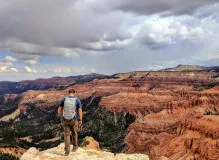
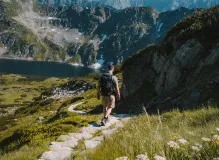
Ready to conquer the summit? Our latest article is filled with thrilling tips for your next mountain trekking adventure! From proper gear to essential safety measures, we've got you covered. Don't let anything hold you back from experiencing the stunning beauty of the 🏔️ mountains. Start planning your next adventure now! 🌄 #ConquerTheSummit #MountainTrekking #AdventureTips
Introduction: Mountain Trekking for Adventure Lovers 🏔️
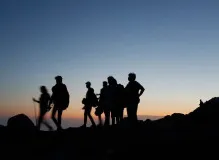
Do you crave adventure? Do you want to challenge yourself and explore new heights? If so, mountain trekking may be the perfect activity for you! Hiking in the mountains offers stunning views, fresh air, and a chance to disconnect from the hustle and bustle of daily life. It's a great way to stay active and experience the great outdoors. And with so many different trails to choose from, there's something for every skill level. So grab your hiking boots, pack your backpack, and get ready to explore some of the most breathtaking landscapes on earth. Are you ready to embark on a mountain trekking adventure? Let's go! 🌲⛰️
Reference Links:
- 10 best mountain hikes in the world
- How to prepare for a mountain trek?
- How to choose the right hiking gear?
Essential Gear for Safe and Successful Trekking 🎒
When it comes to trekking, having the right gear can make a huge difference in your overall experience. The gear you choose can impact your safety, and how comfortable and successful your trek is. To help you ensure that you have everything you need, here is a list of essential gear for safe and successful trekking:
Backpack
A durable and comfortable backpack is essential for trekking. It should be large enough to carry all of your gear, but not so large that it becomes difficult to carry. Look for a backpack that fits your body well and has adjustable straps to ensure a snug fit.
Footwear
Investing in good quality trekking shoes or boots is a must. They should be sturdy, waterproof and have a good grip to prevent slipping on various terrains. Don't forget to break them in before going on a long trek.
Clothing
Proper clothing can help protect your skin from the sun, wind, and rain. Dress in layers and choose clothing that is breathable and quick-drying. Wearing a hat and sunglasses can also protect you from the sun.
Sleeping Bag
A good sleeping bag will keep you warm and comfortable during cold nights in the mountains. Choose a sleeping bag that is appropriate for the climate in the area you plan on trekking.
First Aid Kit
Carry a well-stocked first aid kit at all times. It should have the necessary supplies to treat small injuries, blisters, and other common ailments.
Water Purification
Carry a water filtration system, purification tablets, or other tools to ensure access to clean and safe drinking water while trekking.
Navigation Tools
A map, compass, and navigation tools are essential for trekking in unfamiliar areas. Make sure you know how to use them before you set out on your trek.
By having all of this essential gear, you can trek safely and confidently, enjoying the beautiful scenery and adventure along the way. For more information on trekking, you can check out this beginner's guide to trekking or this [comparison chart](https
Preparing Physically and Mentally for Mountain Challenges 🧘♀️
Mountains are not to be taken lightly. Whether you are setting out for a day hike or a multi-day trek, it is important to prepare both physically and mentally. To physically prepare for a mountain challenge, it's essential to focus on building strength, endurance, and flexibility. This can be achieved through a regular exercise routine that includes cardio, strength training, and yoga. 🏋️♀️
Mental preparation is equally important. Many mountain challenges are not only physically demanding but mentally challenging as well. It is important to be mentally prepared for the hardships that come with the journey, whether it's dealing with altitude sickness, unpredictable weather conditions, or facing unforeseen obstacles along the way. 🧠
To help you better prepare for a mountain challenge, here is a comparison chart of the physical and mental aspects of preparation:
| Physical Preparation | Mental Preparation |
|---|---|
| Aerobic endurance training | Visualization and goal setting |
| Strength training | Meditation and relaxation techniques |
| Flexibility training | Coping strategies for dealing with stress |
| Proper nutrition and hydration | Mental toughness training |
| Adequate rest and recovery | Positive self-talk and motivation |
In addition, here are some helpful reference links that can assist in both physical and mental preparation:
- Outdoor Fitness - How to Train for a Hike: https://www.rei.com/learn/expert-advice/training-for-hiking.html
- Mindfulness Meditation: https://www.mindful.org/
- Dealing with Stress: https://www.helpguide.org/articles/stress/stress-management.htm
- Mental Toughness for Athletes: https://www.psychologytoday.com/us/blog/the-power-prime/201212/developing-the-mental-toughness-successful-athletic-performance
Remember, preparation is key to achieving success in any mountain challenge. By focusing on both physical and mental preparation, you can conquer even the most difficult mountain treks with confidence. 🏔️
Content You May Be Interested In
 Productivity

 Productivity
 Productivity
 Productivity
 Productivity
 Productivity
 Productivity
 Productivity
 Productivity
 Productivity
 Productivity Productivity
 Productivity