For over long years, we have diligently conducted independent research and product testing. When you make a purchase through our links, we may earn a commission.
Maximize Your Hiking Success with Trekking Poles

Created: 4 weeks ago
12 min Read
Discover how using trekking poles can significantly enhance your hiking experience and maximize your success on the trails. Learn the benefits and practical tips for using trekking poles effectively. Start exploring now!
The Benefits of Using Trekking Poles for Hiking.
Using trekking poles while hiking can offer numerous benefits that enhance your overall hiking experience. Whether you're a seasoned hiker or just starting out, incorporating trekking poles into your outdoor adventures can make a significant difference in your comfort, stability, and enjoyment on the trails.
Enhanced Stability and Balance
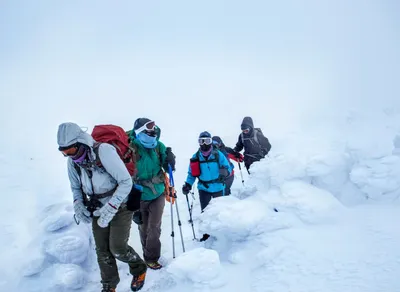
Trekking poles provide added stability and balance, especially when navigating challenging terrains such as steep inclines, slippery surfaces, or uneven trails. By planting the poles into the ground with each step, you distribute your weight more evenly and create a tripod-like support system. This can greatly reduce the risk of slips, trips, and falls, giving you added confidence and security as you hike.
Reduced Strain on Joints
The repetitive impact of hiking can put strain on your knees, ankles, and hips, particularly when descending steep slopes or carrying a heavy backpack. Using trekking poles helps to alleviate some of the stress on these joints by absorbing a portion of the impact. The poles act as shock absorbers, effectively reducing the strain on your lower body and minimizing discomfort or potential injuries.
Increased Endurance and Efficiency
By utilizing your arms as well as your legs while hiking, you engage more muscle groups, leading to increased endurance and efficiency on the trails. Trekking poles can help distribute the workload between your upper and lower body, which can decrease fatigue and conserve energy over longer distances. This can result in improved overall hiking performance, allowing you to go further and explore more of the great outdoors.
Improved Posture and Core Strength
Using trekking poles encourages a more upright posture and engages your core muscles as you hike. The poles provide a natural rhythm and aid in maintaining proper alignment, which can alleviate strain on your back and neck. Engaging your core muscles while hiking not only improves your posture but also helps strengthen your abdominal and lower back muscles, contributing to better overall stability and injury prevention.
Versatility and Multi-functionality
Trekking poles are not just beneficial while hiking; they can also serve a variety of purposes during your outdoor adventures. They can be used to test water depth, clear spider webs or obstacles from the trail, assist in river crossings, or provide support when taking a break or setting up camp. Their versatility makes them a valuable tool that can enhance your overall outdoor experience.
In conclusion, incorporating trekking poles into your hiking routine can provide numerous benefits, including enhanced stability and balance, reduced strain on joints, increased endurance and efficiency, improved posture and core strength, as well as versatility and multi-functionality. Whether you're tackling challenging terrain or embarking on a leisurely hike, trekking poles can significantly enhance your hiking experience and maximize your success on the trails. So why not give them a try on your next outdoor adventure? Happy hiking!
Choosing the Right Trekking Poles: A Buying Guide.
Choosing the Right Trekking Poles: A Buying Guide
When it comes to selecting the perfect trekking poles for your outdoor adventures, there are several factors to consider to ensure you make the right choice. From the type of material to the adjustable features, using trekking poles that suit your specific needs can greatly enhance your hiking experience. So, let's dive into the key considerations when purchasing trekking poles.
Material and Construction
Trekking poles are typically constructed from aluminum or carbon fiber. Aluminum poles are known for their durability and affordability, making them a popular choice among hikers. They are sturdy and can withstand a wide range of terrains. On the other hand, carbon fiber poles are lighter in weight, providing enhanced comfort during long hikes. They are also excellent at absorbing shock, making them a preferred option for those who prioritize minimizing impact on their joints.
Adjustable Features
One of the key advantages of trekking poles is their adjustability, allowing you to customize the length based on your height and the type of terrain you'll encounter. Look for poles that offer a reliable adjustment mechanism, whether it's a twist lock or a lever lock system. This will ensure that the poles remain secure and stable while in use.
Grip and Handle
The grip and handle of your trekking poles play a significant role in comfort and control. Look for poles that feature a comfortable ergonomic grip made from materials such as cork, foam, or rubber. These materials provide a non-slip surface, even when wet or sweaty, and help reduce hand fatigue during long hikes. Some handles also have additional features such as extended grips for traversing side slopes or built-in straps for added wrist support.
Tip Options
Consider the type of terrain you'll be hiking on when choosing the tip options for your trekking poles. Most poles come with carbide tips, which provide excellent traction on rocky surfaces. These tips can be protected with removable rubber or metallic tips for use on pavement or sensitive environments. Additionally, some poles have built-in mud baskets that prevent the poles from sinking into soft ground or snow.
Weight and Packability
If you're planning on backpacking or traveling with your trekking poles, the weight and packability become important factors to consider. Lighter poles are generally more comfortable to carry over long distances, but keep in mind that they may sacrifice durability. Foldable or collapsible poles offer greater packability and are ideal for those with limited storage space.
Budget
Last but not least, consider your budget when purchasing trekking poles. While high-end options may offer advanced features and ultralight construction, they can also be quite expensive. It's important to find a balance between quality and affordability. Look for reputable brands that offer a warranty or guarantee to ensure the longevity of your investment.
In conclusion, choosing the right trekking poles involves evaluating factors such as material and construction, adjustable features, grip and handle, tip options, weight and packability, as well as budget. Taking the time to research and select the perfect trekking poles will greatly enhance your hiking experience and provide you with the support and stability you need on the trails. Happy hiking!
Proper Technique: How to Use Trekking Poles for Maximum Support and Stability.
Proper Technique: How to Use Trekking Poles for Maximum Support and Stability
Now that you understand the benefits of using trekking poles while hiking, it's important to learn the proper technique to maximize their support and stability. By mastering the correct technique, you can effectively distribute your weight and navigate various terrains with confidence. Let's dive into the step-by-step guide on how to use trekking poles effectively.
Adjusting the Length
Before you start using your trekking poles, it's essential to adjust their length to fit your height and the type of terrain you'll encounter. Step 1: Stand upright with your arms relaxed at your sides. Step 2: Bend your elbow at a 90-degree angle and adjust the pole length until your forearm is parallel to the ground. Most trekking poles have markings or measurement lines to guide you in achieving the correct length. Step 3: Securely tighten the adjustment mechanism to ensure the poles remain at the desired length during your hike.
Proper Grip
Having the correct grip on your trekking poles is crucial for maintaining control and minimizing hand fatigue. Step 4: With your hands relaxed and fingers slightly bent, insert your hand through the strap from below, allowing it to rest on the back of your hand. Step 5: Adjust the strap snugly around your wrist, ensuring it provides support without restricting your mobility. Step 6: Place your hand on the grip, making sure your fingers wrap around it naturally. Some grips have extended grips or ergonomic designs to accommodate different hand sizes and terrain situations.
Planting and Swinging Motion
Now that you have adjusted the length and secured a proper grip, it's time to learn how to effectively use your trekking poles during your hike. Step 7: Begin walking with your poles in hand, planting them slightly ahead and to the side of your body. Step 8: As your foot lands on the ground, swing your opposing arm forward, simultaneously planting the pole on the opposite side. This creates a coordinated motion that enhances your stability and provides support as you move forward. Step 9: Repeat this planting and swinging motion, maintaining a comfortable and consistent rhythm with your steps.
Uphill and Downhill Techniques
Using trekking poles efficiently on uphill and downhill sections can make a significant difference in your hiking experience. Step 10: For uphill climbs, adjust the length of your poles slightly shorter than usual to provide more leverage. Plant the poles firmly into the ground as you push yourself upward, engaging your arm muscles to assist your legs. Step 11: When descending steep slopes, lengthen your poles slightly to help absorb the impact and provide stability. Plant the poles ahead of you as you step downhill, allowing them to bear some of your body weight and reduce strain on your joints.
Sidehill and Stream Crossing
In addition to uphill and downhill techniques, trekking poles can also be used effectively when traversing side slopes or crossing streams. Step 12: For sidehill traverses, adjust your pole length to suit the slope. Plant the uphill pole higher to maintain balance while keeping the downhill pole slightly shorter for added support. Step 13: When crossing streams, use your trekking poles to gauge the water depth and provide stability on slippery rocks. Plant the poles firmly in front of you and use them as additional points of contact as you carefully navigate across the water.
Practice and Enjoy
Remember, mastering the technique of using trekking poles requires practice and gradual adaptation. Start with shorter hikes to familiarize yourself with the proper form and gradually increase your usage over time. With consistent practice, you'll find that trekking poles become an essential tool that enhances your hiking experience, providing maximum support, stability, and confidence on the trails.
So, grab your trekking poles and embark on your next hiking adventure. Happy trails!
Enhancing Your Endurance: How Trekking Poles Can Help with Uphill and Downhill Hiking.
When it comes to tackling uphill and downhill sections while hiking, using trekking poles can significantly enhance your endurance and make the journey more manageable. These versatile tools provide stability and support, allowing you to conquer challenging terrains with confidence and ease. In this section, we will explore how trekking poles can help improve your endurance and provide practical tips for utilizing them effectively on uphill and downhill hikes.
Uphill Hiking: Conquer the Ascent with Greater Ease
Ascending steep inclines can be physically demanding and often puts a strain on your leg muscles and joints. Fortunately, trekking poles can help distribute the workload between your upper and lower body, alleviating some of the stress and making the uphill climb more manageable.
By using trekking poles, you engage your arm muscles and transfer some of the effort from your legs to your upper body. This not only reduces fatigue but also increases your overall endurance, allowing you to tackle longer and steeper ascents.
When hiking uphill, here are some practical tips for using trekking poles effectively:
- Plant your poles slightly ahead and to the side of your body as you take each step. This creates a stable base and helps propel you forward.
- Push down on the poles as you push yourself upward, using your arm strength to assist your legs. This helps distribute your weight and provides added support and stability.
- Adjust the length of your poles slightly shorter than usual to provide more leverage and improve your uphill performance.
- Maintain a comfortable and consistent rhythm with your steps and pole plants, finding a pace that suits your fitness level and the steepness of the terrain.
Downhill Hiking: Maintain Control and Reduce Impact
Descending steep slopes can be challenging, particularly when faced with loose rocks, uneven surfaces, or slippery conditions. Trekking poles can be invaluable in maintaining control, reducing the impact on your joints, and helping you navigate downhill sections safely and comfortably.
By using trekking poles, you can shift some of your body weight onto the poles, reducing the strain on your knees, ankles, and hips. This can significantly minimize joint discomfort and prevent potential injuries during the descent.
When hiking downhill, here are some practical tips for using trekking poles effectively:
- Adjust the length of your poles slightly longer than usual to provide additional stability and better shock absorption.
- Plant the poles firmly ahead of you as you step downhill, allowing them to bear some of your body weight and reduce the impact on your lower body.
- As you descend, keep your weight slightly back, and use the poles to control your speed. By planting your poles decisively and focusing on maintaining balance, you can prevent slips and maintain control on the descent.
- Choose your footing carefully, watching for loose rocks or uneven surfaces. The added stability provided by the trekking poles will assist you in navigating tricky sections with confidence.
The Versatility of Trekking Poles: More Than Just Uphill and Downhill Support
While trekking poles are certainly invaluable tools for uphill and downhill hiking, their benefits extend far beyond these specific terrains. They offer versatility and can be utilized for various purposes during your outdoor adventures. Here are some additional ways you can use trekking poles:
- Crossing Streams: When crossing streams, use your trekking poles as additional points of contact. Plant the poles firmly in front of you to gauge water depth and provide stability on slippery rocks.
- Sidehill Traverses: Adjust your pole length to accommodate side slopes. Plant the uphill pole higher to maintain balance, while keeping the downhill pole slightly shorter for added support.
- Resting and Balance: When taking a break or setting up camp, trekking poles can provide additional stability and support. Use them as makeshift pillars to enhance balance and relieve strain on your joints.
- Clearing Obstacles: Using trekking poles, you can clear spider webs, brush aside foliage, or move small obstacles from the trail without having to use your hands.
By taking advantage of the versatility of trekking poles, you can further enhance your hiking experience and make the most of these essential tools.
In conclusion, incorporating trekking poles into your uphill and downhill hiking can greatly improve your endurance, stability, and overall enjoyment. By utilizing trekking poles effectively, you can distribute the workload, reduce the strain on your joints, maintain control, and navigate challenging terrains with confidence. So, the next time you embark on an uphill or downhill adventure, be sure to bring along your trusty trekking poles and experience the difference they make in enhancing your endurance on the trails. Happy hiking!
Content You May Be Interested In

 Productivity

 Productivity

 Productivity