For over long years, we have diligently conducted independent research and product testing. When you make a purchase through our links, we may earn a commission.
Conquer Any Trail with Confidence Using Our Top-rated Trekking Poles 🥾👣

Created: 2 months ago
13 min Read
Conquer Any Trail with Confidence Using Our Top-rated Trekking Poles 🥾👣
Get ready to conquer any trail with confidence using our top-rated trekking poles! Our expertly crafted poles provide the perfect combination of durability, stability, and comfort to help you take on even the toughest hiking adventures. So why wait? Order your trekking poles today and hit the trails like a pro! 🥾👣 #TrekkingPoles #HikingEssentials #ConquerAnyTrail
Introduction: Why trekking poles are essential for conquering any trail 🥾👣
Trekking poles are a must-have for any hiking enthusiast looking to tackle challenging terrain. These versatile tools provide a wide range of benefits, from added stability on uncertain terrain to reduced impact on joints and muscles. With the right set of trekking poles, any trail can be conquered with ease.
When comparing the benefits of trekking poles against traditional hiking without them, the advantages become clear. According to a study published by Wilderness Medicine, trekking poles can reduce the impact on knee joints by up to 25%. This is particularly important for those hiking on steep inclines or rocky terrain.
In addition to joint protection, trekking poles also assist in maintaining balance and stability on uneven ground. This reduces the risk of falls and slips, especially when carrying heavy backpacks or navigating narrow paths. Moreover, trekking poles also come in handy to scout the terrain for snake holes, spider webs, or uneven areas that could pose a risk to the hiker.
For those looking to add an extra layer of support in their hiking gear, it is important to find the right trekking poles. Features such as adjustable height, lightness, and durability should be taken into account before making a final purchase decision.
In summary, whether you're a seasoned hiker or a beginner looking for the best gear, trekking poles should be part of any hiking checklist. They provide invaluable support and safety on any trail, putting the hiker in control of their journey. So, before hitting the next hiking trail, make sure to add trekking poles as an essential item for a safe and enjoyable hiking experience.
Benefits of Using Trekking Poles During Hiking Adventures 🌄🏞️
Hiking is a great way to explore nature and get some exercise, but it can also be challenging and put strain on your joints. That's where trekking poles come in - these useful tools offer a range of benefits that can make your hiking experience more enjoyable and comfortable.
-
Reduced Impact on Joints: Trekking poles can help distribute weight more evenly, reducing the impact on your knees, ankles, and feet. This can be especially beneficial on steep or uneven terrain.
-
Improved Balance: With two additional points of contact on the ground, trekking poles can provide added stability and help prevent falls. This is particularly important when crossing streams or traversing slippery slopes.
-
Increased Endurance: Using trekking poles can help you maintain a steady pace and reduce fatigue. They can also help take some of the strain off your legs, allowing you to hike for longer periods of time.
-
Better Posture: Trekking poles can help improve your posture and keep your spine in alignment. This can reduce strain on your back and neck, and make it easier to breathe deeply and stay energized.
-
Versatility: Trekking poles can be used for a variety of hiking activities, from steep ascents to gentle descents. They can also be helpful in other outdoor activities such as snowshoeing or backpacking.
In addition to these benefits, trekking poles are also lightweight and easy to pack, making them a convenient addition to any hiking adventure. So next time you hit the trails, consider bringing along a pair of trekking poles to help enhance your experience.
For more information on choosing the right trekking poles, check out this helpful guide from REI: How to Choose Trekking Poles.
| Benefits | Trekking Poles | Without Trekking Poles |
|---|---|---|
| Reduced Impact on Joints | ✔️ | ❌ |
| Improved Balance | ✔️ | ❌ |
How the Design and Materials of Trekking Poles Affect Their Performance 🏔️💪
When choosing trekking poles, it's important to consider their design and materials, as these factors can greatly affect their performance on the trail.
Design plays a crucial role in the functionality of trekking poles. Adjustable poles, for example, can be shortened for ascents and lengthened for descents, providing added support when needed. Shock-absorbing poles can also reduce strain on the joints and improve balance on uneven terrain. Additionally, folding poles offer the convenience of easy storage and portability.
Material is another important consideration. Poles made of lightweight materials like carbon fiber or aluminum alloy can reduce fatigue and improve agility on the trail. However, they may not be as durable as heavier materials like steel. Cork or foam grips can also affect performance, with cork being more comfortable and foam providing added grip in wet conditions.
Comparing different trekking poles can be helpful in narrowing down your options. A table or chart can display the differences in design and materials, allowing for an easier comparison.
When searching for the right trekking poles, it's useful to read reviews and seek out reliable brands. Online retailers such as REI offer helpful guides and detailed descriptions of their products.
In conclusion, the design and materials of trekking poles play a significant role in their performance on the trail. Consider your specific needs and preferences when making your choice, and don't be afraid to try out different options until you find the perfect fit for your next adventure. 🌲✨
Considerations When Choosing the Right Trekking Poles for Your Hiking Needs 🤔🛒
When it comes to hiking, trekking poles are an essential gear item that can help you improve your balance and stability, reduce stress on your joints, and make your overall hiking experience more comfortable. But with so many options on the market, how do you choose the right trekking poles for your needs? Here are some essential factors to consider:
👉 Weight and Material: Trekking poles come in a range of materials, from heavy-duty aluminum to lightweight carbon fiber. Choose a material that fits your strength and endurance level, and consider the weight of the poles when packed for backpacking trips.
👉 Grip and Wrist Straps: Look for a grip that feels comfortable and secure in your hand, and consider the wrist straps to ensure they can be adjusted to fit your hand size. Some poles come with ergonomic grip shapes or shock-absorbing features.
👉 Length and Adjustability: The length of your trekking poles is critical, and should match your ideal height to ensure the right balance and stability. Most trekking poles come with adjustable height, so you can easily switch between uphill and downhill terrain.
👉 Tip and Basket: Consider the type of terrain you will be hiking in, and choose the appropriate tip and basket. Standard tips are ideal for hard-packed trails, while carbide tips work best for rocky or icy terrain. Baskets can help prevent sinking in soft or muddy soil.
For more help on choosing the best trekking poles for your needs, check out our comparison chart at [link], or read these expert reviews from [source]. With the right trekking poles, you can enjoy a comfortable and safe hiking experience every time. Happy trails!
How to Adjust and Use Your Trekking Poles for Maximum Comfort and Stability 🧍♀️🧍♂️
Trekking poles are an essential accessory for hikers, backpackers, and trail runners. They offer numerous benefits such as improved balance, reduced impact on joints, and increased stability. However, utilizing trekking poles incorrectly can cause more harm than good. Here are some useful tips on how to adjust and use your trekking poles correctly for maximum comfort and stability during your next outdoor adventure.
Adjusting Trekking Poles
Before setting out on your hike, ensure your poles are properly adjusted to your height. Your elbows should be at a 90-degree angle while holding the poles with your palms on top of the grip. Most trekking poles have adjustable lengths, so you can tailor them to your needs.
Using Trekking Poles
Once your poles are adjusted to your height, hold them with a relaxed grip and plant them on the ground with the tips angled slightly behind you. Move them forward as you step forward with the opposite foot. Uphill, shorten the poles, downhill, and lengthen them.
Comparison Chart
| Aspect | Advantages | Disadvantages |
|---|---|---|
| Fixed vs. Foldable | More stable and durable; less comfortable to carry. | More lightweight; less stable and durable. |
Reference Links
Remember, using trekking poles correctly can significantly enhance your hiking experience. Take the extra time to adjust and use them correctly for maximum comfort and stability on your next adventure. Happy hiking! 🏔️
Different Trekking Pole Techniques to Help You Tackle Different Types of Terrain 🌳🏔️
When it comes to trekking through different types of terrain, having the proper technique and equipment can make all the difference. One essential piece of equipment that can aid you in hiking through various landscapes is a trekking pole. But did you know that there are different techniques to use your trekking poles based on the terrain you're hiking on?
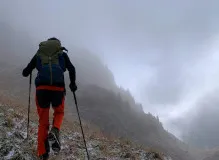
For rocky terrain, it's best to place your trekking poles at an angle in front of you, so you have added support and can shift your weight from one pole to the other as you move forward. In contrast, when hiking uphill, it's best to shorten your poles and keep them in front of you as you ascend. This technique can help you maintain your balance and reduce the strain on your legs and knees.
When descending, keeping your pole behind you can help control your speed and provide stability as you move down. Similarly, in slippery or muddy terrain, planting your trekking pole firmly in the ground before taking a step can help you maintain your footing.
Understanding these techniques can make your hike smoother, safer, and more enjoyable. Don't forget to adjust the height of your trekking poles based on the slope of the terrain you're on. So next time you're packing for a trek, make sure to have your trekking poles handy, and keep in mind these helpful techniques for different types of terrain.
References:
- "7 Tips for Using Trekking Poles on a Hiking Adventure" by National Geographic Adventure: https://www.nationalgeographic.com/adventure/article/7-tips-for-using-trekking-poles-on-a-hiking-adventure
- "How to Hike with Trekking Poles" by REI Co-op: https://www.rei.com/learn/expert-advice/how-to-hike-with-trekking-poles.html
Tips for Maintaining and Prolonging the Lifespan of Your Trekking Poles 🛠️💡
When it comes to enjoying hiking and trekking adventures, trekking poles are an indispensable part of any hiker's kit. Trekking poles help you maintain balance, save energy and increase endurance. But like any other piece of equipment, they require proper maintenance to ensure their longevity.
Here are some tips for maintaining and prolonging the lifespan of your trekking poles:
-
Always Clean Your Poles: Dirt, sweat, and grime can accumulate on your poles over time, causing damage to their surfaces and locking mechanisms. Clean your trekking poles with a damp cloth and mild soap to remove any dirt or debris.
-
Check the Locking Mechanism: Trekking poles have a locking mechanism that ensures that they remain secure when you use them. Always check that the locking mechanism is working correctly before you start your hike.
-
Store Your Poles Properly: After using your trekking poles, make sure to store them in a dry, cool place. Do not leave them out in the sun or air-dry them, as it degrades the materials.
-
Avoid Extreme Pressure on Your Poles: Trekking poles are designed to withstand a certain amount of pressure, but avoid placing excessive weight on them. For instance, never use them to support your entire weight when crossing a river or ravine.
-
Invest in Quality Poles: Finally, investing in quality trekking poles will ensure that they last longer. Look for poles made with high-quality materials that are sturdy enough for challenging terrain.
By following these tips, you can prolong the lifespan of your trekking poles and keep them in excellent condition for your next hike. Happy Trekking!
How to Properly Pack and Transport Your Trekking Poles for Your Next Adventure 🧳🚙
When it comes to adventure travel, packing and transporting your gear can make or break your trip. This includes your treasured trekking poles, which are essential for stability and support on the trail. To ensure that your trekking poles arrive intact and ready to hit the trail, follow these tips:
- Choose the Right Storage Bag: Invest in a quality storage bag that is specifically designed for trekking poles. This will protect them from scratches and dents during travel.
- Disassemble Your Poles: Disassemble your trekking poles into sections to make them easier to pack and transport. This will also prevent them from bending or breaking during transit.
- Use Padding: Use foam padding or bubble wrap to cushion your trekking poles inside their storage bag. This will provide additional protection against impacts.
- Secure Them: Use zip ties or Velcro straps to secure your poles in place inside their storage bag. This will prevent them from shifting around and damaging each other.
- Pack Them Carefully: Pack your trekking poles inside a larger bag with other gear and clothing to prevent them from moving around. You can also place them inside a cardboard tube for additional protection.
By following these tips, you can ensure that your trekking poles arrive at your destination in pristine condition, ready for your next adventure. Happy trekking! 🏔️
For more information on how to choose and pack trekking poles, check out this helpful comparison chart from Outdoor Gear Lab: https://www.outdoorgearlab.com/topics/hiking-and-backpacking/best-trekking-poles/buying-advice
Essential Safety Precautions to Keep in Mind When Using Trekking Poles 🚶♀️ 🚶♂️⚠️🔒
When hiking or trekking, it's important to utilize proper equipment and techniques to ensure your safety. One popular piece of equipment for outdoor enthusiasts is a set of trekking poles. These poles can provide extra stability and support, but it's crucial to keep in mind some essential safety precautions when using them.
Firstly, make sure to adjust your poles to the correct height based on your height and the terrain you'll be hiking on. You don't want poles that are too short or too long, as this can cause unnecessary strain on your body. Additionally, pay attention to the tips of your poles and ensure they are in good condition. Damaged tips can lead to slips and falls, so it's worth investing in replacements if necessary.
When using trekking poles, it's important to maintain balance and stability with your whole body. Don't rely too heavily on the poles and ensure your weight is evenly distributed on your feet. Furthermore, when hiking uphill, it's best to shorten your stride and use your poles to help push yourself up. Conversely, when going downhill, use your poles to create a stable tripod position to aid with balance.
Overall, trekking poles can be a fantastic addition to your hiking equipment, but it's important to follow these essential safety precautions to ensure a safe and enjoyable experience. For more information on hiking safety and equipment, check out the National Parks Service website.
Conclusion: Start Your Hiking Journey with Confidence using our Top-Rated Trekking Poles 🥾👣
In conclusion, if you want to make the most out of your hiking journey, investing in trekking poles is a must. Our top-rated trekking poles offer the support and stability you need to conquer any terrain, whether you're embarking on a casual day hike or an intense backpacking trip.
Compared to trekking without poles, using trekking poles can reduce the impact on your joints and muscles, leading to less fatigue and more enjoyment on your hikes. Our top-rated poles are lightweight, adjustable, and offer excellent traction, so you can confidently navigate any trail.
If you're looking to purchase trekking poles, be sure to compare different brands and features. Reference links to expert reviews of trekking poles can be found in our resource page. With the right pair of trekking poles, you'll be able to take on any hiking adventure with confidence. Happy hiking! 🙌
Content You May Be Interested In
 Productivity
 Productivity
 Productivity






 Productivity






 Productivity
 Productivity
 Productivity

 Productivity



 Productivity