For over long years, we have diligently conducted independent research and product testing. When you make a purchase through our links, we may earn a commission.
Discover the Ultimate National Parks Trekking Guide

Created: 1 week ago
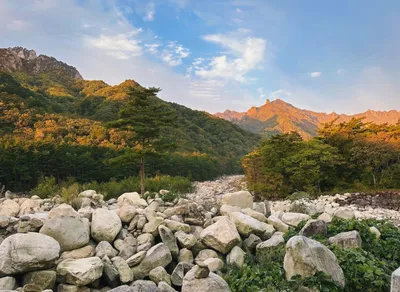
19 min Read
Introduction to National Parks Trekking: Exploring Nature's Beauty
Nature lovers and adventure enthusiasts alike are always on the lookout for thrilling outdoor activities that allow them to immerse themselves in the beauty of the great outdoors. One such activity that promises an unforgettable experience is trekking through the national parks. National parks offer a plethora of natural wonders, breathtaking landscapes, and diverse wildlife, making them ideal destinations for those seeking an escape from the hustle and bustle of everyday life. In this blog, we will delve into the wonders of national parks trekking and why it should be on every nature lover's bucket list.
Why Choose National Parks Trekking?
Trekking through national parks provides a unique opportunity to connect with nature on a deeper level. As you navigate through well-maintained trails, you'll witness awe-inspiring vistas, cascading waterfalls, towering mountains, and pristine forests. The untouched beauty of these protected areas allows you to truly appreciate the marvels of nature. Additionally, national parks often boast an abundance of wildlife, giving you a chance to spot rare species in their natural habitats. Whether you're an avid hiker or a novice adventurer, national parks trekking offers something for everyone.
Benefits of National Parks Trekking
Engaging in national parks trekking not only offers an incredible outdoor experience but also numerous physical and mental health benefits. Trekking is a fantastic way to stay active and improve your cardiovascular fitness. The varying terrains and challenging trails provide an excellent opportunity to build strength and endurance. Moreover, spending time in nature has been proven to reduce stress, improve mood, and increase overall well-being. Disconnecting from technology and immersing yourself in the tranquility of the national parks can be a refreshing escape from daily routines and responsibilities.
Exploring the Best National Parks for Trekking
When it comes to national parks trekking, there are countless options to choose from. Each park offers a unique experience, showcasing its own distinct natural wonders. Some popular national parks for trekking include Yosemite National Park with its iconic Half Dome and breathtaking waterfalls, Rocky Mountain National Park known for its majestic peaks and alpine meadows, and Zion National Park boasting mesmerizing canyon vistas and challenging trails. Researching and planning your trekking adventure ahead of time will ensure you make the most of your visit.
Preparing for an Unforgettable Trekking Experience
Before embarking on your national parks trekking adventure, it's essential to be well-prepared. Make sure you have the right gear, including sturdy hiking boots, appropriate clothing layers, a backpack with essentials such as water, snacks, a map, and a first aid kit. Familiarize yourself with the park's rules and regulations, as well as any permits or reservations required for specific trails. Additionally, it's crucial to be aware of your fitness level and choose a trail that matches your abilities to ensure a safe and enjoyable experience.
Conclusion
National parks trekking is a unique and rewarding way to explore nature's wonders. From breathtaking landscapes to encounters with rare wildlife, these protected areas offer a wealth of experiences for outdoor enthusiasts. By immersing yourself in the beauty of national parks, you not only get a chance to disconnect from the noise of everyday life but also reap the physical and mental health benefits of spending time in nature. So pack your bags, lace up your hiking boots, and embark on an unforgettable trekking adventure through the national parks. Let the wonders of nature captivate your soul as you explore the hidden gems that await.
Must-See National Parks for Trekking Enthusiasts
When it comes to trekking the national parks, there are several must-see destinations that offer breathtaking landscapes and unforgettable experiences. Here, we highlight some of the most popular national parks for avid trekkers:
-
Yosemite National Park: Known for its iconic Half Dome and mesmerizing waterfalls, Yosemite National Park is a paradise for nature lovers. The park offers a variety of trekking trails, ranging from easy strolls to challenging hikes, catering to all skill levels. Don't miss the opportunity to explore the famous Mist Trail, which takes you up close to the stunning Vernal and Nevada Falls.
-
Rocky Mountain National Park: If you're seeking majestic peaks and alpine meadows, then Rocky Mountain National Park is the perfect trekking destination. With over 355 miles of trails, adventurers can immerse themselves in the beauty of the Rockies and encounter diverse wildlife, including elk, bighorn sheep, and black bears. Be sure to explore the famous trails of Bear Lake and Emerald Lake for awe-inspiring vistas.
-
Zion National Park: Nestled in the heart of Utah, Zion National Park boasts mesmerizing canyon vistas and thrilling treks. Embark on the famous Angels Landing hike for a challenging but rewarding adventure, where you'll be rewarded with panoramic views of the park. For a more relaxed trek, explore the Narrows, where you can hike through a breathtaking slot canyon with the Virgin River as your guide.
-
Grand Canyon National Park: One cannot talk about national parks trekking without mentioning the Grand Canyon. This natural wonder offers an array of trails, catering to all levels of hikers. Descend into the depths of the canyon on the South Kaibab trail and soak in the awe-inspiring views of the layered rock formations. For a unique experience, consider trekking the less crowded North Rim and marvel at the beauty from a different perspective.
-
Glacier National Park: Located in Montana, Glacier National Park is a treasure trove of rugged mountains, tranquil lakes, and pristine forests. Offering over 700 miles of trails, hikers can explore glaciers and witness the dramatic impact of glacial retreat. Don't miss the opportunity to hike the Highline Trail, renowned for its breathtaking views of the park's iconic glaciers and alpine vistas.
As you plan your national parks trekking adventure, always check the park's website for trail conditions, permits, and any safety guidelines. Remember to respect the natural environment and leave no trace behind. Whether you choose to trek Yosemite's waterfalls, Rocky Mountain's peaks, Zion's canyons, Grand Canyon's depths, or Glacier's glacial wonders, you're in for an unforgettable experience in the heart of nature.
Now, let's dive into the benefits of national parks trekking and how it can enhance your physical and mental well-being.
###nbsp;Benefits of National Parks Trekking
Engaging in national parks trekking offers more than just a scenic adventure. This immersive outdoor activity not only allows you to connect with nature but also provides numerous physical and mental health benefits. Let's explore some of the advantages:
-
Physical Fitness: Trekking through national parks is a fantastic way to stay active and improve your cardiovascular fitness. The varied terrains, steep ascents, and descents challenge your muscles, helping to build strength and endurance. With each step, you'll be burning calories and toning your body, all while enjoying the beauty of nature.
-
Mental Well-being: Spending time in nature has been shown to reduce stress, anxiety, and depression. The tranquility of national parks allows you to disconnect from the noise and distractions of everyday life, giving you a chance to recharge and rejuvenate. The peacefulness and natural beauty of these protected areas have a calming effect on the mind, promoting mental clarity and a sense of overall well-being.
-
Connection with Nature: National parks trekking offers a unique opportunity to immerse yourself in the wonders of the natural world. As you navigate through well-maintained trails, you'll witness awe-inspiring vistas, listen to the sounds of flowing rivers and chirping birds, and breathe in the fresh, crisp air. This connection with nature can foster a sense of appreciation, awe, and gratitude for the world around us.
-
Wildlife Encounters: National parks are home to a diverse range of wildlife. While trekking, you may have the chance to spot rare species such as bears, elk, mountain goats, or even elusive predators like wolves or cougars. These encounters with wildlife in their natural habitats leave a lasting impression and deepen our understanding of the delicate balance and interconnectedness of ecosystems.
In conclusion, national parks trekking is not only a thrilling outdoor activity but also a way to improve physical fitness, enhance mental well-being, and foster a deeper connection with nature. So lace up your hiking boots, pack your essentials, and embark on an adventure to explore the wonders of national parks!
Essential Gear for National Parks Trekking
When it comes to national parks trekking, having the right gear is crucial for a safe and enjoyable experience. Here are the essentials you'll need to pack before embarking on your adventure:
-
Sturdy Hiking Boots: Invest in a pair of comfortable and durable hiking boots that provide ankle support and traction on various terrains. This will help protect your feet and prevent injuries.
-
Appropriate Clothing Layers: Dressing in layers is key to adapt to changing weather conditions during your trek. Opt for moisture-wicking and breathable fabrics, and don't forget a waterproof or windproof outer layer.
-
Backpack with Essentials: Choose a backpack that fits well and has enough space to carry essentials such as water, snacks, a map or GPS device, a headlamp or flashlight, a multitool, a whistle, and a first aid kit.
-
Navigation Tools: It's essential to have a map of the national park trails or a GPS device to navigate. Familiarize yourself with the route beforehand and carry a compass for added security.
-
Water and Hydration System: Staying hydrated is vital during trekking. Carry an adequate amount of water, and consider using a hydration system such as a water bladder or water bottles with a filtration system.
-
Food and Snacks: Pack lightweight, nutritious snacks and meals to keep your energy levels up during the trek. Opt for high-protein and high-energy options like trail mix, energy bars, and dehydrated meals.
-
First Aid Kit: A well-stocked first aid kit is essential in case of accidents or injuries. Include items such as bandages, antiseptic wipes, pain relievers, blister pads, and any necessary personal medications.
-
Protection from the Elements: Don't forget to pack sun protection like sunscreen, sunglasses, and a hat. Additionally, bring insect repellent, a lightweight rain jacket, and extra layers for colder temperatures.
Preparing for National Parks Trekking
-
Research Thoroughly: Before setting off, conduct thorough research about the national park you plan to trek in. Learn about the available trails, difficulty levels, and any restrictions or permits required.
-
Fitness and Training: Assess your fitness level honestly and choose a trail that matches your abilities. Engage in regular exercise and hiking activities to prepare your body for the physical demands of trekking.
-
Notify Others: Inform a trusted friend or family member about your trekking plans, including the expected duration and the trails you'll be taking. This will ensure someone knows your whereabouts in case of an emergency.
-
Check Weather Conditions: Monitor the weather forecast and be prepared for changes in weather during your trek. Dress accordingly and consider rescheduling if severe weather conditions are expected.
-
Leave No Trace: Respect the national park's guidelines and principles of Leave No Trace. Minimize your impact on the environment by properly disposing of waste, staying on designated trails, and being mindful of wildlife.
By being well-prepared and equipped with the right gear, you can have an unforgettable national parks trekking experience while ensuring your safety and enjoyment. Now, let's dive into some of the top national parks for trekking and discover their unique natural wonders.
Tips and Techniques for a Successful Trekking Experience
When it comes to trekking the national parks, preparation and careful planning are key to ensuring a successful and enjoyable experience. In this section, we will explore some valuable tips and techniques that will help you make the most of your trekking adventure.
1. Research and Choose the Right Trail
Before embarking on your trekking journey, take the time to research and choose the right trail for your fitness level and experience. National parks offer a variety of trails, ranging from easy and scenic walks to challenging and strenuous hikes. Consider factors such as distance, elevation gain, and terrain difficulty when selecting your trail to avoid any unexpected surprises along the way.
2. Pack Essential Gear
Having the right gear is crucial for a comfortable and safe trekking experience. Invest in a sturdy pair of trekking boots that provide ankle support and have a good grip. Dress in layers to adapt to changing weather conditions and pack a waterproof jacket, moisture-wicking clothing, and a hat for sun protection. Don't forget essentials like a map, compass, first aid kit, extra food, and plenty of water to stay hydrated throughout your journey.
3. Practice Leave No Trace Principles
When trekking through national parks, it's essential to practice Leave No Trace principles to minimize your impact on the environment. Respect the natural surroundings by staying on designated trails, avoiding littering, and properly disposing of waste. Take only pictures, leave only footprints, and preserve the pristine beauty of the national parks for future generations to enjoy.
4. Safety First
While trekking through national parks is an exciting adventure, it's important to prioritize safety at all times. Before setting off, inform someone about your planned route and expected return time. Be aware of weather conditions and check for any trail closures or warnings. Carry a fully charged phone, a whistle, and a personal locator beacon for emergencies. Additionally, familiarize yourself with basic wilderness first aid techniques in case of any injuries or accidents.
5. Embrace the Journey
Finally, don't forget to embrace the journey and immerse yourself in the breathtaking beauty of the national parks. Take the time to pause, appreciate the stunning vistas, and connect with nature. Engage in wildlife spotting, capture memorable photographs, and create lasting memories. Remember, trekking the national parks is not just about reaching the destination; it's about the experiences and connections made along the way.
By following these tips and techniques, you can ensure a successful and unforgettable trekking experience in the national parks. So lace up your boots, pack your backpack, and get ready to embark on a thrilling adventure amidst nature's splendor. Happy trekking!
Safety Precautions and Emergency Preparedness in National Parks
Exploring the great outdoors through national parks trekking is an exhilarating experience that allows you to immerse yourself in the wonders of nature. However, it is important to prioritize safety and preparedness to ensure a smooth and enjoyable adventure. Here are some essential safety precautions and emergency preparedness tips to keep in mind when trekking the national parks:
-
Research and Plan Ahead: Before embarking on your trekking adventure, thoroughly research the national park you plan to visit. Familiarize yourself with the park's rules and regulations, trail conditions, and weather forecasts. This information will help you choose suitable trails and prepare accordingly.
-
Prepare Adequate Gear: Proper gear is essential for a safe and comfortable trek. Invest in sturdy hiking boots, moisture-wicking clothing, and layers to adapt to changing weather conditions. Don't forget to pack essentials like a backpack with water, snacks, a map or GPS device, a first aid kit, and a flashlight.
-
Stay Hydrated and Nourished: Trekking in national parks often involves long hours on the trails, so staying hydrated and well-nourished is crucial. Carry enough water to avoid dehydration and pack lightweight, high-energy snacks to keep your energy levels up.
-
Follow Trail Markers and Signs: National parks have designated trails with markers and signs for navigation. Pay close attention to these markers and stay on designated paths to avoid getting lost or venturing into restricted areas.
-
Be Aware of Wildlife: National parks are home to diverse wildlife, and encountering animals can be both thrilling and potentially hazardous. Respect their habitats and maintain a safe distance. Avoid feeding or approaching wildlife, as this can disrupt their natural behavior and pose a danger to both you and the animals.
-
Share Your Itinerary: Before you embark on your trek, make sure to share your itinerary with a trusted friend or family member. Provide them with details such as the trails you plan to hike, expected return times, and emergency contact information. In case of an emergency, someone will have knowledge of your whereabouts.
-
Check Weather Conditions: Weather conditions in national parks can change rapidly, and being prepared for unexpected weather is crucial. Monitor weather forecasts and be prepared with appropriate clothing and gear.
-
Stay Connected and Carry a Backup Power Source: While national parks offer a chance to disconnect from technology, it is important to have a way to communicate in case of emergencies. Carry a fully charged mobile phone and consider bringing a portable power bank to ensure you have a backup power source.
-
Learn Basic First Aid Skills: Having basic first aid knowledge can be invaluable in emergencies. Take a first aid course before your trek or familiarize yourself with basic first aid techniques. Carry a first-aid kit and emergency supplies, including bandages, antiseptics, and any necessary medication.
-
Respect Park Regulations: National parks have strict regulations in place to protect the environment and preserve the park for future generations. Follow these regulations, including staying on designated trails, properly disposing of waste, and respecting wildlife and natural features.
By following these safety precautions and being prepared for emergencies, you can ensure a safe and enjoyable trekking experience in the national parks. Remember, nature's beauty is best enjoyed when you prioritize your safety and take responsible actions throughout your journey.
Wildlife Encounters: What to Expect and How to Stay Safe
When trekking through the national parks, you're bound to come across a diverse array of wildlife. From majestic bears to elusive mountain lions and curious deer, encountering these creatures can be a thrilling experience. However, it's important to remember that they are wild animals and must be respected from a safe distance. Here are some tips to help you navigate wildlife encounters during your national parks trekking adventure:
-
Research and Educate Yourself: Before heading out on your trekking expedition, take the time to research the wildlife that inhabit the specific national park you'll be visiting. Learn about their habits, behaviors, and any precautions you need to take.
-
Maintain a Respectful Distance: When observing wildlife, it's crucial to keep a safe distance. Use binoculars or a zoom lens to get a closer look without disturbing the animals. Admiring them from afar ensures both your safety and their well-being.
-
Avoid Feeding or Approaching Animals: Feeding wildlife is not only harmful to their natural foraging behaviors but can also lead to dangerous situations. Do not approach or attempt to touch any animals, regardless of how cute or docile they may appear.
-
Store Food and Trash Properly: Animals have a keen sense of smell and can be attracted to the scent of food. Keep your food stored securely in bear-resistant containers or hung from a tree branch. Dispose of all trash properly to minimize the risk of wildlife encounters.
-
Stay Quiet and Respectful: When observing wildlife, keep noise to a minimum. Loud noises and sudden movements can startle and stress the animals. Maintain a calm and quiet demeanor, and remember that you are a guest in their natural habitat.
-
Follow Park Guidelines: National parks often have specific guidelines regarding wildlife encounters. Be sure to familiarize yourself with these rules before starting your trekking adventure. These guidelines are in place to protect both you and the animals.
By following these tips, you can enjoy the beauty of wildlife in their natural habitat while ensuring a safe and respectful experience. Remember, wildlife encounters are a privilege, and it's our responsibility to preserve and protect these amazing creatures for future generations to enjoy.
Preserving the Environment: Responsible Trekking Practices in National Parks
As nature enthusiasts, it is our responsibility to ensure the preservation and conservation of the national parks we explore through trekking. By adopting responsible trekking practices, we can minimize our impact on the delicate ecosystems while still enjoying the beauty and wonders of these natural landscapes.
1. Leave No Trace
One of the fundamental principles of responsible trekking is to leave no trace behind. This means packing out all waste, including food wrappers and tissues. Dispose of waste properly in designated bins or carry them with you until you reach a suitable disposal area. By leaving no trace, we can help maintain the pristine condition of the national parks and protect the habitats of the wildlife that call these areas home.
2. Stick to Designated Trails
National parks have designated trails for a reason - to protect the fragile ecosystems and avoid trampling on sensitive vegetation. It is important to stay on the marked paths and avoid creating new trails or taking shortcuts. By following designated trails, we minimize soil erosion and protect the natural habitats from disturbance, ensuring the sustainable enjoyment of these areas for future generations.
3. Respect Wildlife
One of the main draws of trekking through national parks is the opportunity to encounter wildlife in their natural habitats. However, it is crucial to maintain a respectful distance and observe animals from afar. Do not approach or feed them, as this can disrupt their natural behavior and even endanger both the human trekkers and the animals themselves. Remember, we are visitors in their home, and it is our duty to respect and protect their well-being.
4. Use Eco-friendly Products
When trekking through national parks, opt for eco-friendly products such as reusable water bottles, biodegradable sunscreen, and environmentally friendly toiletries. These small choices can significantly reduce waste and pollution, helping to preserve the natural beauty of the parks. Additionally, consider using eco-friendly camping equipment and fuel sources to minimize our carbon footprint.
5. Educate Yourself about Park Regulations
Each national park has its own set of rules and regulations, designed to protect the environment and ensure the safety of visitors. Before embarking on your trekking adventure, take the time to research and familiarize yourself with the specific regulations of the park you plan to visit. This includes obtaining any necessary permits or passes and adhering to restrictions on camping, fires, and trail usage.
6. Support Conservation Efforts
Lastly, consider supporting the conservation efforts of the national parks you visit. Many parks have organizations or programs dedicated to preserving the natural environment and wildlife. By donating or volunteering your time, you can contribute directly to these conservation initiatives, ensuring the continued protection and maintenance of the parks for generations to come.
By implementing these responsible trekking practices, we can not only enjoy the wonders of national parks but also play an active role in their preservation. Let us embrace the beauty of nature while treading lightly and leaving a positive impact on these magnificent landscapes. Together, we can ensure that future generations have the same opportunity to experience and appreciate the splendor of the national parks through trekking adventures.
Frequently Asked Questions (FAQs)
What is a national park?
A national park is a protected area that is established by a government to preserve and conserve the natural and cultural heritage of a region.
Why should I go trekking in national parks?
Trekking in national parks allows you to immerse yourself in pristine natural environments, observe wildlife, and experience the beauty of untouched landscapes.
Which national parks are the best for trekking?
There are many national parks around the world that offer amazing trekking opportunities. Some popular ones include Yosemite National Park, Torres del Paine National Park, and Everest Base Camp in Sagarmatha National Park.
What should I pack for a national park trekking adventure?
Some essential items to pack include sturdy hiking boots, lightweight and breathable clothing, a backpack, plenty of water, a first aid kit, sunscreen, and insect repellent.
Are permits required for trekking in national parks?
Permit requirements vary depending on the national park and the specific trekking route. It is essential to check with the park authorities or local tour operators to obtain the necessary permits.
Is it necessary to hire a guide for trekking in national parks?
While it is not always mandatory, hiring a guide can enhance your safety and provide valuable insights about the flora, fauna, and local culture. It is especially recommended for challenging or remote treks.
What is Leave No Trace principle?
Leave No Trace is an outdoor ethics philosophy that promotes responsible outdoor behavior to minimize environmental impact. It emphasizes leaving natural areas as you found them and respecting wildlife and other visitors.
How can I contribute to the conservation of national parks?
You can contribute to the conservation of national parks by following park rules, supporting local conservation organizations, participating in volunteer programs, and spreading awareness about the importance of preserving these precious ecosystems.
Content You May Be Interested In
 Productivity
 Productivity
 Productivity




 Productivity




 Productivity
 Productivity
 Productivity

 Productivity



 Productivity