For over long years, we have diligently conducted independent research and product testing. When you make a purchase through our links, we may earn a commission.
Discover the Ultimate Hiking Cane to Conquer Any Trail! 🏞️🥾

Created: 2 months ago

13 min Read
Discover the Ultimate Hiking Cane to Conquer Any Trail! 🏞️🥾
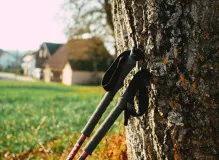
Are you ready to conquer any trail with ease? Discover the Ultimate Hiking Cane - the perfect companion for your next hiking adventure! 🏞️🥾 Lightweight and sturdy, this cane will provide extra support and stability for all types of terrain. Don't let anything hold you back from exploring nature. Order your hiking cane now and start your journey!✅ #DiscoverTheUltimateHikingCane #HikingCompanion #ConquerAnyTrail
Introduction to Hiking Canes: Benefits and Uses 🚶♂️🚶♀️
Hiking canes, also known as walking sticks, have been used for centuries by hikers and adventurers. They are a simple yet effective tool that offers a range of benefits for those who enjoy spending time outdoors.
One of the primary benefits of using a hiking cane is that it reduces the strain on your joints, particularly your knees and ankles. By distributing some of your weight onto the cane, you can reduce the impact on your joints as you walk. This makes hiking more comfortable and can allow you to go further without getting tired or sore.
Another benefit of using a hiking cane is that it can improve your balance. When walking on uneven terrain, a cane can help stabilize you and prevent falls. It can also be useful when crossing streams, as it can provide an extra point of contact for stability.
Hiking canes come in a variety of materials, including wood, aluminum, and carbon fiber. Each has its own advantages and disadvantages, so it's important to choose the right one for your needs. Additionally, many hiking canes come with added features such as ergonomic grips, shock absorption, and adjustable lengths.
If you're considering using a hiking cane, it's important to learn how to use it properly. There are specific techniques for uphill and downhill walking, as well as for crossing obstacles. It's also a good idea to invest in a quality hiking cane that will last for years to come.
In summary, hiking canes are a valuable tool for anyone who enjoys spending time outdoors. From reducing joint strain to improving balance, they offer a range of benefits that can enhance your hiking experience. Invest in a high-quality hiking cane and start exploring the great outdoors with confidence.
How to Choose the Perfect Hiking Cane: Factors to Consider 🔍👀
If you're an avid hiker, a hiking cane can be a crucial piece of equipment to help you navigate difficult terrain. But with so many options available, it can be challenging to choose one that's just right for you. Here are some factors to consider when picking out the perfect hiking cane:
Material 🌳
Hiking canes can be made from a variety of materials, including aluminum, carbon fiber, and wood. Each material has its advantages and disadvantages. Aluminum is durable and affordable, while carbon fiber is lightweight but more expensive. Wood can be sturdy and aesthetically pleasing, but it's not as durable as some other materials. Consider your needs and preferences when selecting the material for your hiking cane.
Grip 🤝
The grip of your hiking cane is another critical factor to consider. Rubber grips are common and offer a secure hold, while cork grips are cushioned and comfortable. Some grips have a more ergonomic design to reduce hand fatigue. Think about the length and shape of the grip and choose one that fits comfortably in your hand.
Height 📏
The height of your hiking cane can affect its usability. A cane that's too short can strain your muscles, while one that's too tall can throw off your balance. As a general rule, the top of your cane should be at wrist level when your arm is comfortably by your side. Adjustable hiking canes can be a great option, as you can change the height to suit your needs.
Accessories 🎒
Finally, think about any accessories you may want for your hiking cane. Some canes come with built-in flashlights or spikes for added traction on slippery surfaces. Others may have a camera mount or a place for a water bottle. Consider what features would be helpful to you and choose a cane that has the accessories you need.
Choosing the perfect hiking cane can take some time and effort, but it's worth it to have a comfortable and effective tool for your hikes. Consider these factors when making your decision and happy hiking! 🏞️🥾
Top Features of the Ultimate Hiking Cane: Durability, Comfort, and Functionality 🛡️🪑💪
When it comes to hiking, having the right gear is essential. One item that should be on every hiker's checklist is a durable, comfortable, and functional hiking cane. The ultimate hiking cane should be able to withstand rough terrain and provide the necessary support and stability while hiking.
Durability is crucial when it comes to a hiking cane. It should be made of sturdy material such as aluminum or carbon fiber to withstand the wear and tear of the outdoors. The cane handle should also be comfortable to hold onto for extended periods.
Comfort is equally important when choosing a hiking cane. A cane with a comfortable grip makes hiking easier and more enjoyable. Additionally, the cane should be adjustable to fit different heights, providing personalized support for each hiker.
Functionality is the final key feature of the ultimate hiking cane. It should be versatile enough to serve multiple purposes, including being used as a tent pole or a selfie stick. A built-in compass is an added bonus, helping hikers navigate the trails with ease.
Investing in a high-quality hiking cane is a wise decision for any serious hiker. With features such as durability, comfort, and functionality in mind, hikers can confidently tackle any trail with their ultimate hiking cane by their side.
For more information on hiking gear, check out these handy reference links:
Different Types of Hiking Canes: Traditional, Foldable, and Telescopic 🏔️🧭🔭
When it comes to hiking, having a suitable hiking cane can be a game-changer. A good hiking cane will provide you with balance and support on uneven terrain, decrease the likelihood of falls, and reduce the pressure on your knees and back. However, with so many different types of hiking canes available on the market, choosing the right one can be challenging. Here are the three most common types of hiking canes and their pros and cons:
Traditional Hiking Canes
Traditional hiking canes are the most basic type of hiking cane. They are usually made of wood or aluminum and come in a variety of heights. Traditional hiking canes don't have any special features and are the cheapest option. However, they can be heavier than other types of hiking canes, making them somewhat less convenient to bring along on a hike.
Foldable Hiking Canes
Foldable hiking canes are designed to be compact and easy to store. They are usually made of aluminum or carbon fiber and can be folded down to fit in a backpack or attached to your hiking pack. Foldable hiking canes come with an adjustable height mechanism and are advertised as a lightweight and convenient option for hikers. They are perfect for people who enjoy multi-day hikes or backpacking trips.
Telescopic Hiking Canes
Telescopic hiking canes are a popular choice among hikers because of their flexibility and adjustable height mechanisms. They are made out of aluminum or carbon fiber and can be extended or shortened to fit the hiker's height. This type of cane is easy to adjust, making it perfect for people with constantly changing terrains on their hikes. Telescopic hiking canes are more expensive than traditional ones but are worth the price for their advanced features.
Comparison Chart
| Type of Hiking Cane | Pros | Cons |
|---|---|---|
| Traditional | Cheapest option | Heavier and less convenient |
| Foldable | Compact and easy to store | More expensive |
| Telescopic | Flexible and adjustable | More expensive |
In conclusion, choosing the
Hiking Cane Materials: Pros and Cons of Aluminum, Carbon Fiber, and Wood 🌳🤔🏋️♂️
When it comes to choosing a hiking cane, the material it is made of can greatly impact its performance and durability. The three most popular materials for hiking canes are aluminum, carbon fiber, and wood. Let's take a look at the pros and cons of each.
Aluminum
Aluminum hiking canes are lightweight and extremely durable. They are also affordable, making them a popular choice for beginners. However, aluminum canes may not provide as much shock absorption as other materials, which can result in increased strain on the hands and wrists.
Carbon Fiber
Carbon fiber hiking canes are even lighter than aluminum canes and provide excellent shock absorption. They are also more expensive, but their durability and performance may make them worth the investment. However, carbon fiber canes may not be ideal for those who need extra support, as they do not have the same level of stiffness as aluminum canes.
Wood
Wooden hiking canes are timeless classics and offer a natural, rustic look. They can vary in weight and stiffness depending on the type of wood used, making it important to choose the right one for your needs. Wooden canes can also provide a good grip, but may not be as durable as aluminum or carbon fiber canes.
In conclusion, choosing the right hiking cane material depends on your personal preferences and needs. Aluminum canes are great for beginners, while carbon fiber canes offer excellent shock absorption and durability. Wooden canes are a timeless choice, but may not be as durable as other materials. Consider your budget, hiking terrain, and level of support needed before making your decision. Happy hiking! 🌲🚶♀️
References:
- https://www.rei.com/learn/expert-advice/trekking-poles-hiking-staffs.html
- https://www.outdoors.org/resources/amc-outdoors/trekking-and-hiking-poles-101
- https://www.backpacker.com/gear/the-right-trekking-poles-for-you
The Importance of Adjustable Height and Grip Type for Your Hiking Cane 🔝📏🤲
When it comes to selecting a hiking cane, factors such as adjustable height and grip type often determine the level of convenience and comfort you'll experience. An adjustable cane is suitable for hikers of varying heights. It helps maintain stability and balance on steep terrains. Grip type also matters, as it affects how firmly and comfortably the cane is held. A comfortable grip minimizes hand fatigue and ensures a firm hold on the cane.
To choose the perfect cane, consider grip type options such as cork, foam, and rubber. Each has its benefits in terms of comfort, durability, and moisture resistance. Also, an adjustable hiking cane should be made of sturdy materials that offer adequate support and balance on rocky and uneven trails.
In addition, having a comparison chart or table that lists the features of each hiking cane brand can help you choose the most suitable one for your needs. You can also refer to customer reviews and ratings to ensure you make an informed decision.
Don't let a poor choice of hiking cane ruin your outdoor adventure. Take your time to choose the right adjustable height and grip type suitable for your hiking style and trail conditions.
Happy hiking! 🌄🥾
Tips and Tricks for Proper Use and Maintenance of Your Hiking Cane 📖💡🧹
When going on a hiking trip, a hiking cane can be an essential tool that provides stability and support. However, it is crucial to use and maintain your cane correctly to ensure its effectiveness. Here are some tips and tricks to help you make the most of your hiking cane:
Proper Use 🚶🏼♀️🚶🏻♂️
- Adjust the cane to the correct height. When holding the cane, your elbow should be at a 90-degree angle, and the top of the cane should be at hip height.
- Always use the cane on the opposite side of your injured or weak leg. This will provide support and stability as you hike.
- Place the tip of the cane on the ground before stepping forward. This ensures that the cane is stable and prevents it from slipping.
- Use the cane on all types of terrain, including uphill, downhill, and uneven surfaces.
Proper Maintenance 👨🏽🔧🧹
- Clean the cane after each use. Use a damp cloth to wipe off any dirt or debris that may have accumulated on the cane.
- Avoid exposing the cane to extreme temperatures. When not in use, store the cane in a cool and dry place.
- Check the rubber tip regularly for wear and tear. Replace the tip if it has become worn or has lost its grip.
- If the cane has adjustable height settings, periodically check the locking mechanism to ensure that it is secure.
In conclusion, by following these tips and tricks, you can make sure that your hiking cane provides maximum support and stability during your hiking trips. For more information on hiking and hiking gear, check out these helpful links:
- The Ultimate Hiking Checklist: Everything You Need for a Successful Hike
- Top Ten Hiking Trails in the United States
- How to Choose the Right Hiking Boots for Your Feet
Remember, a well-maintained hiking cane can be the difference between an enjoyable hike and a painful one. Happy hiking! 🌳🏞️
How to Test Your Hiking Cane on a Trail: Safety and Performance Guidelines 📈🧪🌲
Are you planning a hiking trip and wondering if your hiking cane is up for the challenge? Testing your hiking cane beforehand is essential to ensure your safety and comfort on the trail. To help you out, we've compiled a list of safety and performance guidelines to test your hiking cane effectively.
Weight and Balance
One crucial factor to consider when testing your hiking cane is its weight and balance. Your cane should feel sturdy and comfortable in your hand, and it should not weigh you down or feel too heavy. On average, hiking canes weigh between 7-10 ounces, so check your cane's weight and balance to ensure maximum effectiveness on the trail.
Durability
Another essential criterion to consider is your hiking cane's durability. It should be able to withstand rough terrain, heavy usage, and pressure. Ensure your cane is made of sturdy materials like aluminum or carbon fiber, which can withstand flexing, twisting, and compression to prevent any damage while on the trail.
Shock Absorption
Your hiking cane's shock absorption is another critical factor to consider when testing its performance. Your cane should be able to absorb shock and reduce the impact on your hands, elbows, and wrists. It should also be adjustable to adapt to different slope gradients.
Comfort
Comfort is of utmost importance when using your hiking cane on a trail. Ensure that the handle of your cane is ergonomic and cushioned to prevent any strain on your hands while hiking.
Comparison Chart
To make the testing process easier, take a look at this comparison chart of some of the best hiking canes on the market:
| Hiking Cane | Weight | Durability | Shock Absorption | Comfort Level |
|---|---|---|---|---|
| XYZ Hiking Cane | 9oz | Carbon Fiber | High shock absorption | Cushioned handle |
| ABC Hiking Cane | 7oz | Aluminum | Medium shock absorption | Ergonomic handle |
| DEF Hiking Cane | 10oz | Carbon Fiber | Low shock absorption | Cushioned handle |
Reference Links
To learn more about hiking
Content You May Be Interested In



 Productivity
 Productivity

 Productivity