For over long years, we have diligently conducted independent research and product testing. When you make a purchase through our links, we may earn a commission.
Experience the Thrill of Trekking National Parks - Uncover Nature's Beauty

Created: 4 weeks ago
11 min Read
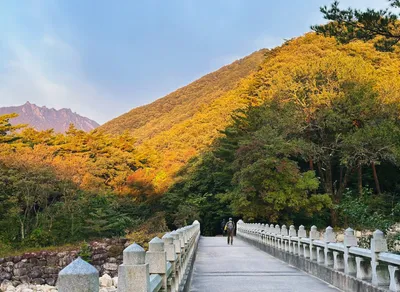
Discover the breathtaking beauty of nature by embarking on an unforgettable trekking adventure through the magnificent national parks. Immerse yourself in the thrill of exploring untouched wilderness and experience the wonders of our planet firsthand. Start your journey now and unravel the secrets of nature's true magnificence. Embark on a trekking adventure today!
Introduction to Trekking National Parks
Trekking the national parks is an exhilarating and rewarding way to experience the breathtaking beauty of nature. Whether you are a seasoned hiker or a novice explorer, the national parks offer a multitude of trails and landscapes to suit every preference. From towering mountain peaks to lush forests and cascading waterfalls, these protected areas are a haven for adventure enthusiasts and nature lovers alike. Lace up your hiking boots, pack your backpack, and get ready to embark on an unforgettable journey through the expansive wilderness of the national parks.
When it comes to trekking, the national parks boast an extensive network of trails that cater to all fitness levels and interests. Whether you are looking for a leisurely stroll or a challenging multi-day hike, there is something for everyone. The parks offer a range of trail options, from well-marked paths suitable for beginners to rugged and remote routes for experienced trekkers seeking a thrill.
One of the unique aspects of trekking the national parks is the opportunity to immerse yourself in the wonders of untouched nature. As you wind your way through the trails, you will be surrounded by the sights, sounds, and scents of the wild. From the chirping of birds to the rustling of leaves, every step brings you closer to experiencing the true magnificence of our planet.
Another highlight of trekking in the national parks is the chance to witness diverse ecosystems and a plethora of wildlife. These protected areas are home to an array of plant and animal species, some of which are found nowhere else on Earth. Keep your eyes peeled for sightings of majestic creatures such as deer, bears, and eagles, as you traverse through their natural habitats.
For those seeking an extra dose of adventure, the national parks offer the opportunity for backcountry camping and multi-day treks. Imagine spending the night under a star-filled sky, with only the sounds of nature to accompany you. As you wake up to the crisp morning air, you'll find yourself energized and ready to tackle the next leg of your trek.
In conclusion, trekking the national parks is an unparalleled experience that allows you to connect with nature on a deeper level. With a myriad of trails to choose from, you can tailor your adventure to suit your preferences and abilities. So, dust off your hiking boots, grab your camera, and get ready to embark on a journey through the stunning national parks. Embark on a trekking adventure today and create memories that will last a lifetime.
Choosing the Right National Park for Trekking Adventures
When it comes to trekking the national parks, choosing the right one for your adventure is crucial. Each park offers its own unique landscapes, trails, and natural wonders. To help you make an informed decision, we have compiled a list of some of the top national parks for trekking adventures. So grab your gear and get ready to explore nature's wonders at its finest!
1. Yosemite National Park
Renowned for its dramatic granite cliffs, cascading waterfalls, and ancient giant sequoias, Yosemite National Park is a trekker's paradise. With over 750 miles of trails, ranging from easy walks to challenging multi-day hikes, there is something to suit every level of expertise. Don't miss the iconic Half Dome and Yosemite Falls, which offer breathtaking views and unforgettable photo opportunities.
2. Glacier National Park
Located in Montana, Glacier National Park is a hidden gem for trekking enthusiasts. Its rugged mountains, pristine lakes, and abundant wildlife make it a must-visit destination. The park offers a network of well-maintained trails, including the popular Highline Trail and the challenging Grinnell Glacier Trail. Immerse yourself in the stunning scenery and keep an eye out for grizzly bears, mountain goats, and elk along the way.
3. Rocky Mountain National Park
As its name suggests, Rocky Mountain National Park is a paradise for mountain lovers. With its towering peaks, alpine meadows, and crystal-clear lakes, it offers endless opportunities for trekking adventures. Explore the famous Trail Ridge Road, hike to the summit of Longs Peak, or discover hidden gems like Fern Lake. No matter which trail you choose, you are guaranteed to be treated to breathtaking vistas and encounters with diverse wildlife.
4. Zion National Park
Utah's Zion National Park is a treasure trove of natural wonders and hiking trails. From the world-famous Narrows, where you can hike through narrow slot canyons, to the challenging Angel's Landing, which rewards you with panoramic views from the top, there is no shortage of adventure in this park. The red rock formations, hanging gardens, and the Virgin River winding through the canyon create a truly magical setting for your trekking expedition.
5. Grand Canyon National Park
Last but certainly not least, the Grand Canyon is a bucket-list destination for any adventure seeker. While most visitors admire the canyon from the rim, trekking the national parks will take you down into the heart of this geological masterpiece. Choose from a range of trails, such as the Rim-to-Rim hike or the challenging South Kaibab Trail, and marvel at the layers of ancient rock formations carved by the Colorado River.
In conclusion, when it comes to trekking the national parks, there is no shortage of options for intrepid explorers. Each park offers its own unique beauty and challenges, allowing you to tailor your adventure to your preferences and abilities. Whether you choose Yosemite, Glacier, Rocky Mountain, Zion, or the Grand Canyon, one thing is certain - you will be treated to awe-inspiring landscapes and unforgettable moments in nature. So lace up your boots, pack your backpack, and get ready to embark on a trekking adventure of a lifetime in one of these incredible national parks.
Essential Gear for a Successful Trekking Trip
When preparing for a trekking trip to the national parks, having the right gear is essential for a successful and enjoyable adventure. Whether you are embarking on a day hike or a multi-day expedition, having the right equipment can make all the difference. Here are some essential gear items to consider before setting off on your trekking journey:
1. Hiking Boots
Investing in a good pair of hiking boots is crucial for comfortable and supportive footwear on the trails. Look for boots with sturdy soles, ankle support, and waterproof capabilities to keep your feet dry and protected in various terrain conditions.
2. Backpack
A reliable backpack is necessary to carry all your essentials, such as water, food, extra layers, and other necessary gear. Look for a backpack with adjustable straps, multiple compartments, and a comfortable fit to distribute the weight evenly on your back.
3. Navigation Tools
While the national parks have well-marked trails, having navigation tools such as a map, compass, or a GPS device is important for staying on track. These tools can help you navigate through the park's vast wilderness and ensure you reach your desired destinations.
4. Clothing
Layering is key when it comes to choosing the right clothing for trekking. Opt for moisture-wicking and breathable materials, such as synthetic or merino wool, to keep you comfortable and dry. Don't forget to bring a waterproof and windproof jacket for unpredictable weather conditions.
5. Food and Water
Staying hydrated and fueled is essential during a trekking trip. Pack enough water to last the duration of your hike and bring energy-rich snacks to keep your energy levels up. Consider using a reusable water bottle and food containers to minimize waste and help preserve the park's natural beauty.
6. First Aid Kit
Accidents can happen, so it's important to carry a basic first aid kit with essentials like bandages, antiseptic ointment, pain relievers, and blister prevention supplies. This will help you treat minor injuries and ailments while on the trail.
7. Trekking Poles
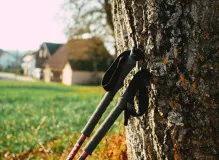
Trekking poles can provide stability, especially on uneven terrain and steep uphill or downhill sections. They help reduce strain on your knees and improve balance. Look for lightweight and adjustable poles that suit your height and preferences.
8. Headlamp or Flashlight
A headlamp or flashlight is essential for any trekking adventure, especially if you plan to hike during the early morning or late evening. It will help light your path and navigate in low-light conditions.
9. Personal Safety Items
Consider bringing personal safety items such as a whistle, a compass, or a personal locator beacon. These items can come in handy in case of emergencies or if you find yourself lost or needing assistance.
Remember, trekking the national parks is an adventure that requires preparation and the right gear. By investing in high-quality equipment and ensuring you have all the essentials, you can embark on a successful and enjoyable trekking trip. So don't forget to pack your hiking boots, backpack, navigation tools, clothing layers, food and water, first aid kit, trekking poles, headlamp or flashlight, and personal safety items. Now you're ready to hit the trails and explore the stunning beauty of our national parks!
Safety Tips for Trekking in National Parks
Safety Tips for Trekking in National Parks
Trekking the national parks can be an exciting and fulfilling adventure, but it's important to prioritize safety during your journey. Follow these essential tips to ensure a secure and enjoyable trekking experience in the parks.
1. Plan and Prepare: Before setting off on your trek, thoroughly research the national park you'll be visiting. Familiarize yourself with the trail conditions, weather forecasts, and any potential hazards. Make a detailed itinerary and share it with a trusted person who can monitor your progress. It's also advisable to check if any permits or reservations are required for your trekking route.
2. Pack Proper Essentials: Ensure you have the necessary equipment and supplies for your trekking adventure. Along with the aforementioned gear, pack essentials such as extra clothing layers, a charged cell phone, a map and compass (or a reliable GPS device), a whistle, a basic first aid kit, sunscreen, insect repellent, and enough food and water for the duration of your trek. Remember to pack light but don't compromise on safety items.
3. Dress Appropriately: Dressing appropriately for the trekking environment is essential. Opt for moisture-wicking and breathable clothing that can adapt to changing weather conditions. Layer your clothing to adjust to temperature fluctuations and protect yourself from sun exposure. Don't forget to wear a sturdy pair of hiking boots that provide ankle support and traction on varied terrain.
4. Stay Hydrated and Nourished: Hydration and nutrition are crucial during your trekking adventure. Drink plenty of water to stay hydrated and refuel with energy-rich snacks or meals. Be mindful of the availability of water sources along the trail and consider purifying water from natural sources using a water filter or purification tablets.
5. Stay on Designated Trails: Stick to the designated trails while trekking in the national parks. Straying off the marked paths can put you at risk of getting lost or damaging fragile ecosystems. Respect any trail closures or restrictions, as they are in place for your safety and the preservation of the park.
6. Be Weather Aware: Weather conditions in national parks can change rapidly, so it's essential to stay informed and be prepared. Check weather forecasts before your trek and keep an eye on the sky for any signs of changing weather patterns. If you encounter severe weather, seek shelter immediately and wait for conditions to improve before continuing your trek.
7. Wildlife Awareness: National parks are home to a diverse range of wildlife, and encountering them can be a thrilling experience. However, it's important to maintain a safe distance and not disturb or feed the animals. Research the wildlife in the area beforehand and familiarize yourself with any safety precautions or guidelines.
8. Travel in Groups or Inform Others: Whenever possible, trekking with a companion or a group is advisable. If you choose to trek alone, inform someone reliable about your plans, including your itinerary and expected return time. Regularly check in with them during your trek to ensure your safety and allow them to alert authorities if there are any concerns.
9. Leave No Trace: Preserve the natural beauty of the national parks by practicing the Leave No Trace principles. Pack out all trash, dispose of human waste properly, respect plant and animal life, and leave natural and cultural artifacts as you found them. By doing so, you help protect the environment and ensure its enjoyment for future generations.
10. Trust Your Instincts: Lastly, trust your instincts. If a situation feels unsafe or uncomfortable, listen to your gut and make decisions that prioritize your safety. Don't push yourself beyond your limits or take unnecessary risks. Your well-being is the most important aspect of your trekking adventure.
By following these safety tips, you can trek the national parks with confidence, knowing that you have taken the necessary precautions to ensure a secure and enjoyable experience. So lace up your boots, take in the stunning views, and immerse yourself in the wonders of nature while prioritizing your safety every step of the way. Happy trekking!
Content You May Be Interested In



 Productivity
 Productivity

 Productivity